



Prime Hydration’s growth came from pairing Logan Paul and KSI’s creator reach with scarcity, retail access, and sports credibility. Early sellouts showed how quickly attention could turn into demand. Prime Hydration marketing growth offers business owners useful lessons, but no launch plan can promise the same result.
A creator co-founder strategy is a model in which creators help shape and promote a product while lending it access to their audiences. For business owners, the case shows why reach needs support from a product people can find and want again. The useful question for our own businesses is which parts of that system can earn repeat demand, not just attention.
Key Takeaways
- Creator reach can make a launch visible fast.
- Scarcity can spark conversation, but not lasting loyalty.
- Retail access helps turn awareness into a purchase.
- Sports ties can lend a product category credibility.
- Repeat demand matters more than one early sellout.
How Did Prime Hydration Marketing Growth Create Demand?
Prime Hydration gave fans a launch they could follow through creators they already knew. Its early demand grew from attention, participation, and product access.
The launch also showed how quickly social media virality can give a new product a visible audience. That attention gave fans a reason to discuss the brand before they had tried it.
Creator co-founders brought an audience to launch
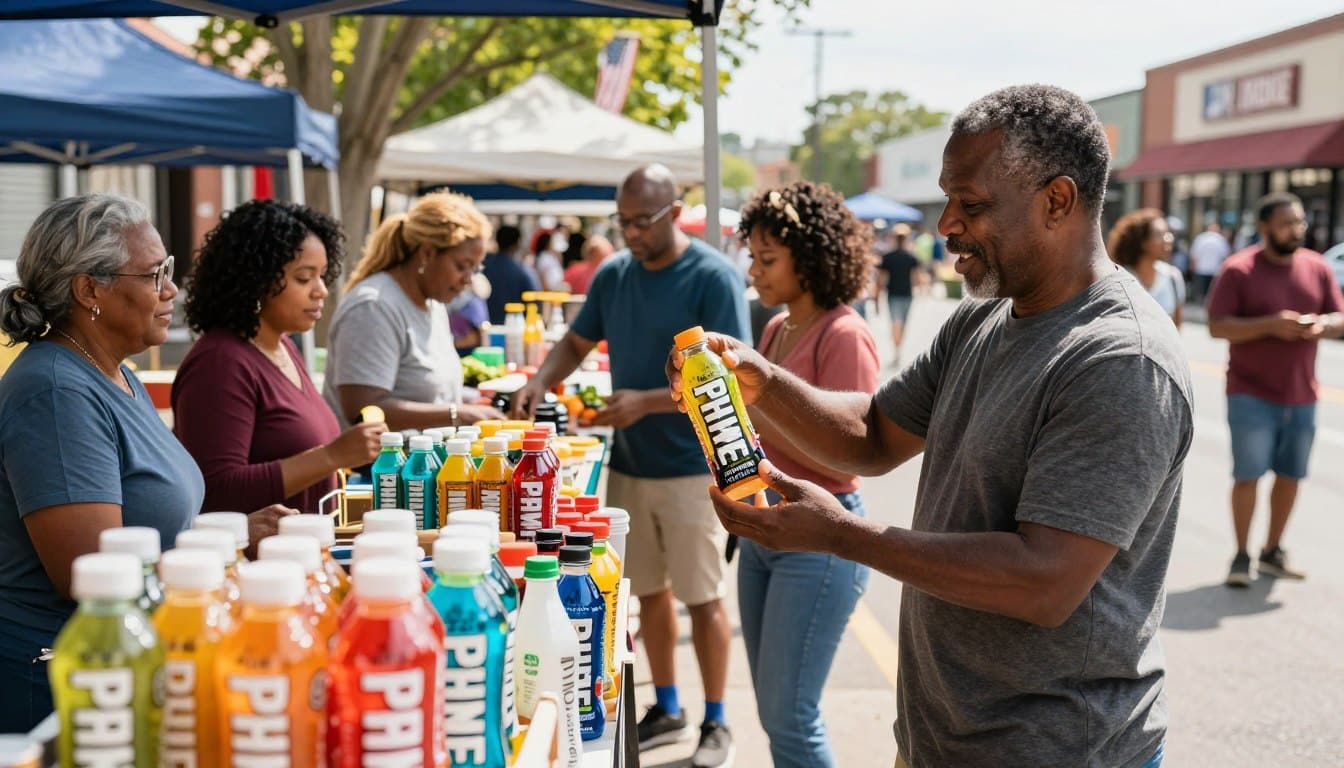
Logan Paul and KSI made influencer-led product launches visible to people who already followed their videos and public work. Their involvement gave fans a familiar way into the product story.
Congo Brands handled manufacturing, logistics, and the retail rollout behind the scenes. That operational work helped turn audience interest into products that could reach stores, rather than leaving the launch as online talk.
A creator’s audience can start a conversation, but the product still needs a clear reason to earn a place in someone’s routine.
Because the creators helped shape the brand, their role went beyond a single paid post. That model can build brand community building around shared interest, though the product experience must carry the relationship beyond launch day.
Scarcity turned early interest into conversation
Limited-edition flavor drops and low initial availability gave fans something specific to anticipate. When stock was hard to find, customers posted about store visits, purchases, and missed chances.
Those posts helped the community take part in the launch, rather than simply watch it. Scarcity can raise interest, but a sellout can mean buyers could not find enough product.
Treat a sellout as a signal to test replenishment and repeat purchase, not as proof that the launch has built lasting loyalty.
From Creator Hype to Retail and Sports Credibility
Prime paired wider retail access with sports associations that could reach people beyond Logan Paul and KSI’s core audiences. Retail distribution partnerships made the product easier to find, while sports ties placed it in familiar athletic settings.
Wider access matters because awareness does not help a customer who cannot locate the drink. Sports partners can also lend a product athletic credibility, but the fit must make sense to the audience.
Retail distribution made the product easier to find
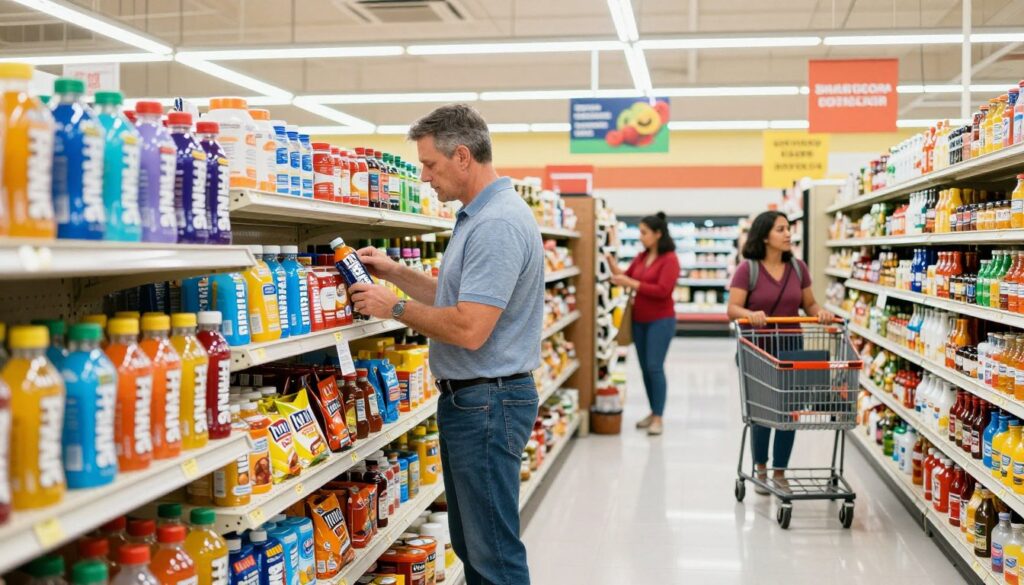
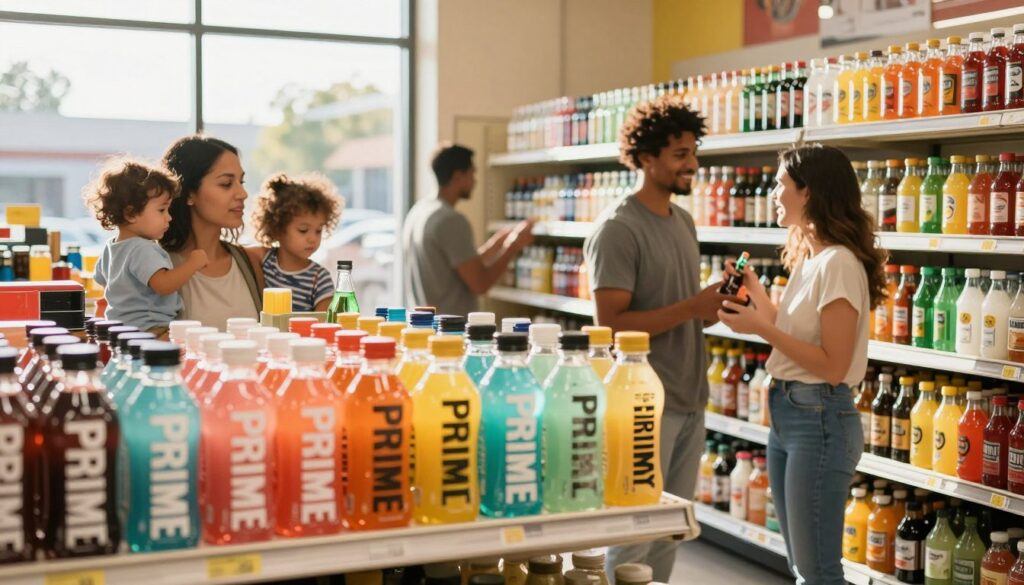
Retail access helped move the brand from creator-led attention toward a broader customer base. For a hydration beverage, a visible shelf presence can turn interest into a simple choice during a regular shopping trip.
Distribution alone cannot explain why a person chooses one bottle over another. Clear sports drink category positioning helps customers understand how the product fits their needs and where it belongs among other drinks.
Sports partnerships broadened the brand’s associations
Prime’s sponsorships included Arsenal FC, the UFC, WWE, and the Los Angeles Dodgers. Athlete associations included Erling Haaland and Patrick Mahomes.
These ties reached distinct groups, from soccer fans to baseball fans. The table shows how a property can connect a drink with a sport and its culture.
| Partnership example | Property | Audience context | Brand association |
|---|---|---|---|
| Arsenal FC | Soccer club | Soccer fans | Soccer culture |
| UFC | Combat sports organization | Combat sports fans | Combat sports |
| Los Angeles Dodgers | Baseball team | Baseball fans | Baseball |
Celebrity endorsement economics depend on audience fit, reach, and whether an association feels credible, not just on a famous name. Hydration beverage market segmentation also matters: casual shoppers and sports fans may expect different things from a sports drink.
Before committing to a sponsorship, check whether the property’s audience and the product’s intended use genuinely overlap.
Build Repeat Demand After the Hype
Prime’s post-hype challenge was turning launch attention into a routine purchase. Prime Drink moved from early viral excitement and limited availability toward broader access, where novelty faded and competition continued. Social media virality can win trial, but repeat demand depends on everyday value.
Gatorade is an established name in the sports drink category, but it is a reference point, not proof of identical positioning. We can check whether demand lasts with three signals:
- Repeat-purchase rate.
- Sell-through after launch promotions end.
- Demand when the product is not a limited drop.
Keep reach steady until the product gives customers a reason to return without a launch offer.
If demand falls when the promotion ends, refine the product’s everyday reason to buy before increasing reach.
Conclusion
Prime Hydration’s case shows that visibility works best when the business can fulfill demand and give customers a reason to return. Coordinated marketing can create a strong launch, but durable growth depends on a product experience customers choose again.
We can apply that lesson before spending more to reach new audiences. Map the launch across audience fit, operational readiness, distribution, and retention, then set a clear measure for repeat buying. That step turns a broad plan into a test we can learn from.
We can start by mapping one upcoming launch against audience fit, operational readiness, and a measurable repeat-purchase goal.