



Did you know Barbie got over 9 billion social media impressions before the movie came out? That’s more buzz than most movies get in their whole run. The 2023 Barbie campaign didn’t just sell tickets—it started a global movement. It made pink the color of the summer.
Warner Bros. and Mattel turned a simple film into a cultural phenomenon. This wasn’t just another movie launch. Pink billboards lit up Toronto and Vancouver, and TikTok trends went viral. The barbie marketing strategy reached every corner of Canadian cities and beyond.
The campaign mixed old-school nostalgia with new digital tricks. You saw it everywhere—brand partnerships, interactive experiences, and cool social media stuff. This showed that old and new ways of advertising can work together.
What made this barbie marketing effort so good? It reached people of all ages and backgrounds. The movie promotion did more than sell tickets. It made real emotional connections. You’ll find out how these strategies worked and what you can learn for your own campaigns.
Key Takeaways
- The Barbie campaign generated over 9 billion social media impressions before the movie’s premiere, setting new standards for pre-release buzz
- Warner Bros. combined nostalgic appeal with digital innovation to create a multi-generational marketing phenomenon
- Strategic brand partnerships and experiential activations transformed traditional movie promotion into a cultural movement
- Pink billboards and physical installations across Canadian cities complemented digital strategies for maximum visibility
- The campaign successfully engaged diverse demographics by balancing humor, nostalgia, and inclusive messaging
- Interactive social media elements encouraged user-generated content, amplifying organic reach exponentially
1. How Barbie Transformed Movie Promotion Into a Global Cultural Movement
Barbie changed the game in movie marketing, turning a simple film into a global sensation. It didn’t stick to old ways. Instead, it created a new path for future movie promotions.
Barbie’s success was in making its mark everywhere. Your daily life, social media, and shopping trips all featured Barbie. It showed that today’s audiences want to be part of something bigger than themselves.
This success wasn’t by chance. The Barbie team planned and executed viral campaigns with precision. They built a digital strategy that turned casual fans into passionate supporters eager to share their excitement.
Immersive Brand Experiences That Captured Canadian Attention
Summer 2023 turned Canadian cities into pink wonderlands. From Toronto to Vancouver, Barbie’s presence was everywhere. It was more than ads—it was a massive environmental story.
Shopping centers across Canada featured Barbie-themed installations that drew thousands. Yorkdale in Toronto had a life-sized Dreamhouse. Vancouver’s CF Pacific Centre offered photo ops that went viral. These experiences let you be part of Barbie’s world before the movie.
Transit systems got in on the action too. You might have seen a completely pink-wrapped streetcar in Toronto or pink bus shelters in Vancouver. The TTC and Warner Bros. even created pink transit routes. Commuters loved these changes, sharing photos and videos that spread the campaign far and wide.
Strategic Momentum That Shattered Expectations
The journey to box office success started months before the first trailer. Warner Bros. released cryptic images in early 2023 that sparked buzz. Your curiosity grew with each reveal, building excitement like never before.
The campaign’s deliberate escalation timeline kept the momentum going. First, teasers showed off the film’s stunning pink visuals. Then, character posters introduced the diverse cast. Trailers followed, revealing just enough to keep conversations going. This approach kept you hooked for months, not just a single burst.
Social media was key in building this hype. Users created their own Barbie movie posters with AI. This wasn’t an accident—it was a plan to get your audience involved. Millions of Canadians joined in, creating content that reached new audiences.
The campaign used FOMO to get you excited. When everyone talked about Barbie, wore pink, and shared online, staying out felt like missing something special. The team knew today’s moviegoers want shared experiences that create memories and connect people.
Box office results showed the campaign’s success. Barbie made over $50 million in Canada, the highest-grossing film of 2023. Many Canadians saw it multiple times, showing the campaign’s power in creating a cultural event.
This is exactly the kind of end-to-end brand experience that digital marketing agencies in Toronto are now aiming to replicate for their clients.
Agencies like Digital Arkitechs are increasingly focused on omnichannel campaigns that connect digital touchpoints with real-world experiences. Instead of relying solely on ads or social media buzz, they’re building strategies where content, commerce, events, and community all work together to drive engagement and conversions.
The digital strategy worked beyond just getting you excited. You could buy tickets early through integrated platforms. Theaters offered Barbie-themed snacks and merchandise. AMC and Cineplex even had pink-carpet events for the premiere. Every detail made you feel like you were part of something big.
2. Modern Advertising Techniques Behind Barbie's Digital Strategy
Modern advertising techniques were key to Barbie’s digital strategy. They combined technology, data, and creativity. This mix created a powerful marketing force.
Warner Bros. and Mattel used advanced tools. These tools changed how you interacted with the brand. The campaign didn’t rely on old methods.
The technical brilliance in the campaign was clear. You saw Barbie content that felt made just for you. This was thanks to careful planning and digital strategy.
Mobile Optimization and Cross-Platform Reach
Mobile optimization was key to the campaign. Most Canadians use their phones to access content. Every ad and video was made for mobile first.
You could see Barbie on your phone, laptop, tablet, or TV. The campaign was consistent across all devices. It made sure each device had a great experience.
Ads loaded fast to keep you from scrolling away. Visuals grabbed your attention quickly. Interactive features worked well on touch screens, making it easy to engage.
Video Marketing and Interactive Ad Experiences
Video marketing was a big part of the campaign. You saw trailers, behind-the-scenes footage, and influencer collaborations. Each video had a purpose to keep you interested.
The campaign made over 50 videos for Canada. Short clips caught your attention on social media. Longer videos told deeper stories for those interested.
Interactive ads made you part of the campaign. You didn’t just watch; you engaged, shared, and created your own content. This made the campaign grow fast.
“The best marketing campaigns today make you part of the story. They turn viewers into creators.”
The Barbie Selfie Generator's Viral Impact
The Barbie Selfie Generator was a highlight of the campaign. It let you turn your photo into a Barbie movie poster. Millions of Canadians made and shared their posters on social media.
This tool was simple and fun to use. You could make a poster in under a minute. It looked professional and was easy to share.
The impact was huge. Over 12 million selfie posters were made worldwide. Each poster helped spread the word about Barbie.
The tool also gave valuable data. The team used this data to improve the campaign. They learned who was most interested and when to show ads.
- The generator created over 12 million personalized posters worldwide
- Average creation time was under 60 seconds, reducing friction for participation
- Each poster generated an average of 3.7 social media shares
- The tool drove a 47% increase in search traffic for “Barbie movie tickets”
- Mobile usage accounted for 78% of all selfie generator interactions
This mix of video and interactive content created a cycle of engagement. You saw videos that inspired you to make a poster. Sharing your poster showed your friends the campaign, and they watched videos and made posters too. The campaign turned advertising into a movement that spread online.
3. Social Media Campaigns and Viral Marketing Tactics That Drove Engagement
Barbie dominated your social feeds in 2023 with smart tactics, not just big ads. The campaign’s success came from empowering you to create and share, not just consume. By using user-generated content and partnerships, Barbie created a viral loop that grew without constant ads.
This section shows how Barbie tapped into digital trends for unprecedented engagement. You’ll see how they made you want to join the Barbie phenomenon.
User-Generated Content That Amplified Reach Organically
The Barbie selfie generator was a key tool for creating user-generated content on a large scale. It let you turn your photo into a Barbie movie poster with your name and tagline. Soon, millions of Canadians shared their Barbie posters on Instagram, TikTok, and Facebook.
The design of each poster was polished, making you proud to share it.
Your friends saw your post and wanted their own. This created a cycle of sharing without any extra ads. Toronto influencers like @jessicamulroney and @catarinasoto2 led the charge, getting thousands of posters from their followers.
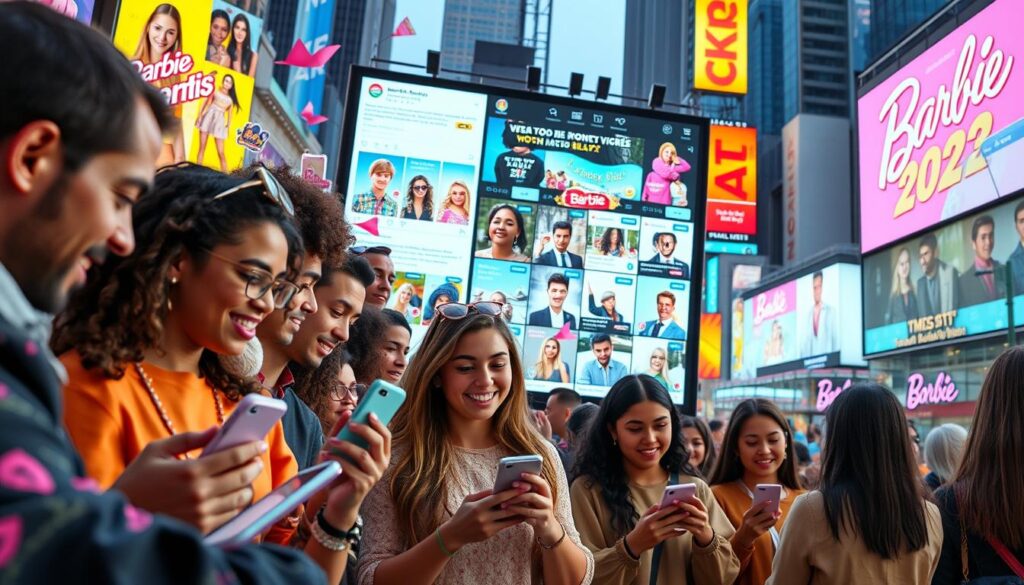
The #BarbieCore fashion trend showed how user-generated content can become cultural commentary. Vancouver fashion bloggers shared all-pink outfits, inspiring thousands. Calgary boutiques sold out of pink items as customers recreated looks for their social posts.
These weren’t sponsored posts. They were genuine expressions of creativity that promoted the movie.
The campaign also encouraged pink-themed parties and events, creating endless content. Montreal event planners shared Barbie-themed birthday parties. Edmonton restaurants created pink cocktails and dishes for Instagram moments. Every photo became free advertising that reached your networks with authentic endorsement.
This approach was effective because it felt authentic. When your friend shares their Barbie poster, it doesn’t feel like an ad—it feels like a fun trend you want to join. This organic advocacy delivered engagement rates that viral campaigns with traditional influencer partnerships could never match.
Digital Marketing Trends Barbie Capitalized On
The campaign’s timing was impeccable because it rode existing digital marketing trends rather than fighting against them. Nostalgia marketing had already proven effective across social platforms, with millennials sharing throwback content and reminiscing about childhood favorites. Barbie tapped into this sentiment perfectly, inviting you to reconnect with a beloved toy from your past.
The maximalist aesthetic trend was gaining momentum on TikTok and Instagram, with users embracing bold colors and dramatic styling over minimalism. Barbie’s unapologetically pink campaign aligned with what you were already gravitating toward. This made the content feel current rather than forced.
Gender conversation discourse was dominating social media discussions in meaningful ways. The movie positioned itself within these conversations without being preachy, creating content that sparked genuine dialogue. Your feeds filled with thoughtful commentary about gender roles, expectations, and identity—all organically connected to Barbie.
The “main character energy” movement encouraged social media users to embrace confidence and self-expression. Barbie’s messaging about being whoever you want to be aligned perfectly with this mindset. Creating your personalized poster wasn’t just fun—it was an expression of your own main character moment.
The campaign also capitalized on the TikTok trend of transformation content. Videos showing before-and-after “Barbie-fication” accumulated millions of views. Canadian creators jumped on this trend, showing their transition from everyday outfits to full Barbie looks. These videos performed exceptionally well because they combined entertainment, aspiration, and participation.
Meme culture played a significant role in the viral campaigns strategy. Rather than controlling the narrative tightly, the marketing team embraced and even encouraged Barbie memes. This approach made the movie feel like a shared cultural joke you were in on, rather than a corporate product being sold to you.
The strategic use of digital marketing trends meant that Barbie content didn’t interrupt your social experience—it enhanced it. The campaign gave you content you actually wanted to see, share, and create yourself. This alignment with existing behaviors and preferences made the marketing feel less like advertising and more like cultural participation.
By understanding what was already working on your social platforms and amplifying those elements, Barbie created a campaign that felt inevitable rather than forced. The result was engagement rates that shattered industry benchmarks and turned a movie promotion into a genuine cultural movement across Canada and beyond.
4. Conclusion
The Barbie campaign showed us the power of creativity and strategy. Your brand can learn from this example. It turned a movie launch into a big event in Canada and worldwide.
This success wasn’t just luck. It came from really understanding people and giving them reasons to join in. Warner Bros. made experiences that felt special to everyone. They also used smart partnerships and digital ideas to grow their impact.
Modern advertising is more than just TV ads. The Barbie campaign mixed real events in cities with online targeting. It made people who watched the movie into creators and started important talks.
The key takeaway is integration. The pink takeover worked because everything supported each other. Social media helped make real experiences even bigger. Partnerships and user content made the message real.
Digital marketing keeps changing fast. Barbie showed that being bold and precise is key. You need data to find the right people, but creativity makes them care and share.
The campaign showed that people want to be part of something big. When you invite people to join, you create something special. That’s how you build a brand that truly matters to people.
FAQ
What made the Barbie marketing campaign so successful in 2023?
Barbie’s success came from using modern ads like data-driven targeting and interactive ads. They also partnered with over 100 companies and encouraged user content. This made the campaign a cultural hit, reaching you everywhere you go.
How did Barbie use social media to create viral campaigns?
Barbie used social media by asking you to share Barbie-themed posts. They tapped into trends like nostalgia and “main character energy.” This approach made the campaign spread organically, without extra ads.
What was the Barbie Selfie Generator and why did it go viral?
The Barbie Selfie Generator let you make your own Barbie poster. It became a hit because it made you part of the campaign. Millions of people shared their posters, making the campaign feel personal and engaging.
How did programmatic advertising contribute to Barbie's digital strategy?
Programmatic ads showed you ads at the right time on many websites and apps. This targeted approach made sure you saw ads that matched your interests. It worked for different age groups, like Gen Z on TikTok and millennials on Instagram.
What role did brand partnerships play in the Barbie movie promotion?
Brand partnerships were key to Barbie’s success. They worked with companies like Zara and Burger King Canada. This made Barbie a part of your daily life, beyond just movie ads.
How did the pink takeover strategy work in Canadian cities?
Barbie turned cities like Toronto into pink wonderlands. Billboards and buildings were all pink. This made the campaign hard to miss, creating a fun and memorable experience.
What video marketing techniques did Barbie use?
Barbie focused on video marketing, with trailers and behind-the-scenes content. They made sure content worked well on all devices. This ensured you saw great videos, no matter where you were.
How did Barbie create hype before the movie's release?
Barbie built excitement with a series of teasers and events. Each step built anticipation, making the premiere feel like a big event. This approach turned casual interest into passionate support.
What is mobile optimization and why was it important for Barbie's campaign?
Mobile optimization means designing for smartphones first. Barbie’s campaign worked well on all devices, thanks to this focus. It was key because most people use their phones to watch videos.
How did personalized advertising target different age groups?
Barbie tailored ads for different ages. Gen Z got content on TikTok, while millennials saw ads on Instagram. This made each viewer feel special, boosting engagement across all ages.
What digital marketing trends did the Barbie campaign capitalize on?
Barbie used trends like nostalgia and bold visuals. They also tapped into conversations about gender and identity. This made the campaign feel timely and natural.
How did user-generated content amplify Barbie's reach organically?
The campaign encouraged you to create Barbie content. Tools like the selfie generator helped. This organic content reached more people, without extra ads.
Why was Barbie's campaign considered a cultural movement rather than just movie promotion?
Barbie did more than just promote a movie. They created experiences and sparked conversations. The campaign was everywhere, making it a cultural phenomenon.